Welcome to Ohio valley sheepadoodles
Origin And History
The United States Army first bred Sheepadoodles in the 1960s as military dogs. They were intentionally bred for their intelligence, loyalty, and bravery.
Since Sheepadoodles are also playful, they were eventually retired as military dogs. In the early 2000s, they became more popular family dogs in the US and UK.
No dog is truly hypoallergenic, but Sheepadoodles don’t shed as much or none at all as many other dog breeds. So, people with allergies often have better success with Sheepadoodles than other types of dogs, which helps explain some of their popularity.
Currently, the American Kennel Club (AKC) doesn’t officially recognize Sheepadoodles as an official dog breed.
Appearance
Like any other mixed breed, Sheepadoodles can have a very different appearance from dog to dog. Some look more like a Sheepdog, while others look more like a Poodle. Others look like a mix of the two.
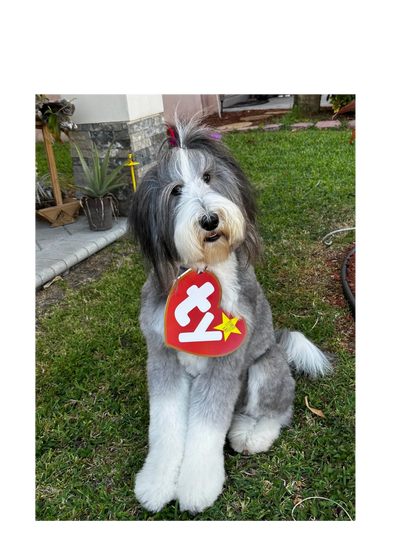
That said, most Sheepadoodles have fluffy, wavy hair. Often, their hair is black and white, making them resemble panda bears. However, they can come in other colors, including brown, white, tricolor, merle, and solid black.
A full-grown standard Sheepadoodle is usually 50 to 80 pounds and about 16 to 22 inches tall, whether male or female. Miniature Sheepadoodles, on the other hand, might weigh between 25 and 50 pounds, and toy Sheepadoodles are smaller, only weighing about 10 to 25 pounds.
Personality
“Sheepadoodles tend to be very energetic, playful, loving, and cuddly,” Wilkes says. “They’re also highly intelligent and require training and socialization as puppies.”
A Sheepadoodle’s affectionate temperament also means they get along well with people, making them great family dogs, especially if you can give them the attention they need.
Wilkes says a Sheepadoodle can also be a valuable therapy or service dog if they get the right training and socialization.
Sheepadoodles usually get along well with small children and other animals. However, their herding instinct can cause them to do things like nip, chase, and jump, so you may need to focus on these unwanted behaviors in training!
Ideal Environment
Sheepadoodles are excellent family dogs, and they do well with first-time dog parents who understand and can meet their requirements. However, Wilkes explains that they do best with a family who’s often at home and can dedicate time each day to training and interacting.
While a large, fenced-in yard is preferable for Sheepadoodles, Wilkes says they can also do well in a smaller space if you give them daily mental and physical stimulation. They may also do all right with apartment life, even living close to neighbors. They don’t bark much but can make great watchdogs.
“Because Sheepadoodles are intelligent, high-energy dogs, they need daily exercise and stimulation,” says Wilkes. “Their playful nature is also suitable for families with children. However, they may require professional training if you can’t prevent herding behaviors on your own.”
Sheepadoodles love being with people. While they may do all right during the day at home alone while you work, it’s important to spend time with them daily.
Some Sheepadoodles may experience separation anxiety, which you can address with calming treats, anti-anxiety medications, and frequent dog walks. If these strategies don’t help, your vet may have additional guidance to help ease your dog’s distress.
Training
Sheepadoodles experience the majority of their mental development between the ages of 8 weeks and 8 months, Morris explains. However, their puppy phase may last until they’re about a year and a half old.
“Obedience training can start as soon as you bring your Sheepadoodle puppy home,” Morris says. “Their energy level can range from low to high, which helps determine how much training they’ll need.”
Standard behavior training, nose work, dog training classes, and agility can also help Sheepadoodles learn desired behaviors and get the mental and physical stimulation they need.
Morris also suggests exposing and socializing your Sheepadoodle with other people and dogs as soon as your vet gives you the go-ahead. Exposure to different environments lets them experience different objects and noises and interact with others. This can help them feel comfortable in new settings and reduce herding behaviors.
Grooming Needs
Sheepadoodles generally don’t shed much or none at all.. Therefore, they’re considered hypoallergenic dogs and good for people with allergies.
“Sheepadoodles’ hair grows like humans, so it needs to be trimmed, “It’s up to you how often you’ll cut their hair depending on your preferred length. Some Sheepadoodle parents like to have fun with different lengths and styles for their dog’s hair.”
You’ll want to bathe your Sheepadoodle about once a month, the recommended frequency for dogs with curly or wavy coats. However, more frequent baths may be necessary if your dog spends a lot of time active outside!
It’s easiest to take a Sheepadoodle to a professional groomer. If you want to groom your dog at home, you’ll need the following items:
- Dog-safe shampoo
- Absorbent towel
- Dog-safe wipes
- Dog hairbrush
- Nail clippers
- Dog-friendly toothbrush and toothpaste
- Hair clipper or trimmer
Getting A Sheepadoodle
Ready to find your Sheepadoodle?
Please visit our Available puppies pages or Litters due page